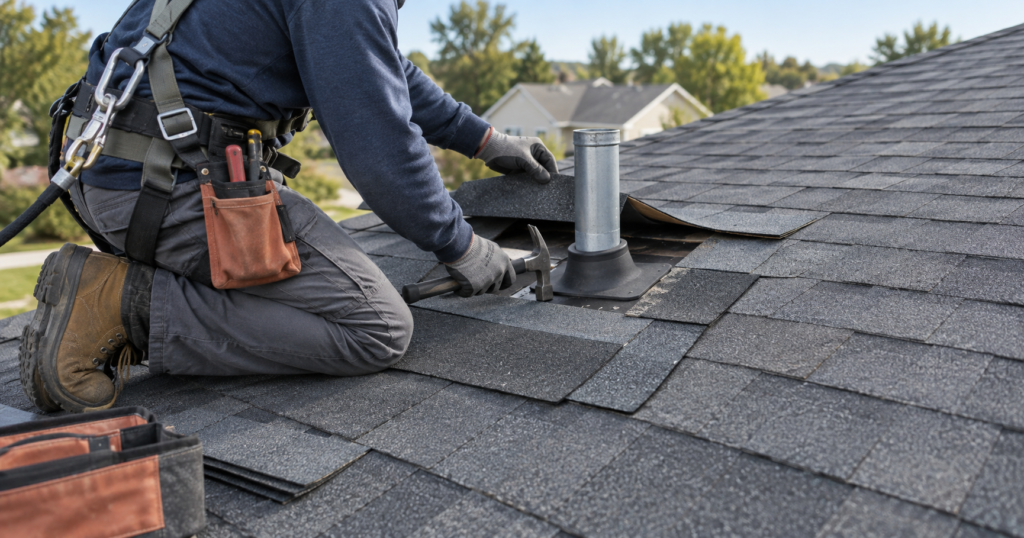
Roof inspection cost typically ranges from $150 to $400 for a standard professional inspection. However, drone, infrared or certification inspections may cost between $250 and $700.
The final price depends on the inspection method, roof size, material and accessibility. Additionally, inspectors may charge more for steep roofs, storm-damage reports or detailed written certifications.
Average Roof Inspection Cost in 2027
The national roof inspection cost usually falls between $150 and $400. Nevertheless, a straightforward visual inspection of a small asphalt roof may cost less.
By contrast, large homes and complex roofing systems often require more time. Consequently, the inspector may charge $400 or more for a detailed assessment.
| Inspection level | Typical cost | Common scope |
|---|---|---|
| Basic visual inspection | $75–$250 | Visible roofing, flashing and drainage components |
| Standard professional inspection | $150–$400 | Roof exterior, attic and written findings |
| Drone inspection | $200–$500 | Aerial images of difficult or unsafe areas |
| Infrared inspection | $300–$700 | Thermal scanning for possible moisture patterns |
| Roof certification | $200–$500 | Inspection plus a formal condition statement |
| Commercial roof inspection | $300–$1,000+ | Large or complex commercial roofing system |
Some roofers offer free inspections because they hope to perform the recommended repairs. Although this arrangement can be useful, it differs from hiring an independent inspector.
Roof Inspection Cost by Inspection Type
Inspection methods range from a simple visual review to specialized thermal imaging. Therefore, the method selected can significantly change the final price.
Physical roof inspection
A physical inspection generally costs $150 to $400. When conditions permit, the inspector walks accessible roof areas and examines the materials at close range.
The inspection may cover shingles, flashing, fasteners, vents, penetrations, gutters and drainage. Additionally, the professional may inspect the attic for moisture or ventilation problems.
However, an inspector may decide not to walk a steep, wet, fragile or damaged roof. Safety conditions always determine whether direct access is appropriate.
Visual inspection from the ground
A limited visual inspection may cost $75 to $250. The inspector observes the roof from the ground, eaves, windows or another safe location.
This method can identify missing shingles, sagging areas and obvious flashing defects. Still, it may not reveal small cracks or damage hidden behind roofing components.
Drone roof inspection
A drone inspection typically costs $200 to $500. It provides detailed aerial images without requiring a person to walk on the roof.
Therefore, drones can be useful for steep roofs, fragile tile or areas that are difficult to reach. They can also document storm damage across a large surface.
Nevertheless, a drone cannot physically test soft materials or inspect every concealed connection. A professional may combine aerial images with an attic assessment and ground-level observations.
Infrared roof inspection
An infrared inspection commonly costs $300 to $700. Thermal equipment measures temperature differences that may suggest trapped moisture, air leakage or insulation problems.
However, thermal images do not automatically prove that water is present. Weather conditions, sunlight and indoor temperatures can affect the results.
For that reason, the inspector should interpret the images and confirm suspicious areas with other methods whenever possible.
Roof certification inspection
A roof certification usually costs $200 to $500. It may state the roof’s condition and estimated remaining service life for a specified period.
Mortgage lenders, insurers or real estate buyers may request this document. However, certification requirements vary by company and location.
What Affects Roof Inspection Cost?
Two similar homes can receive different inspection quotes. Roof configuration, accessibility and reporting requirements all influence the amount of work involved.
Roof size
A larger roof contains more surface area, penetrations and drainage components. As a result, inspecting a large home generally takes longer.
Some inspectors use a flat residential rate. Others increase the price after the roof exceeds a particular size.
Roof pitch and height
Steep and high roofs require additional safety precautions. Moreover, some surfaces cannot be safely walked under current weather conditions.
In those situations, the inspector may use binoculars, pole-mounted cameras or a drone. Specialized equipment can increase the total cost.
Roofing material
Asphalt shingles are generally familiar and accessible. Conversely, slate, tile, wood shake and certain metal systems may require specialized experience.
Fragile materials also require greater caution. Walking on tile or deteriorated roofing can cause additional damage.
Roof complexity
Dormers, skylights, valleys, chimneys and multiple roof levels add inspection points. Each penetration creates another location where flashing may fail.
Accordingly, a complex roof usually costs more to inspect than a simple gable roof of the same square footage.
Attic access
A complete evaluation may include the underside of the roof deck. Yet cramped, obstructed or unsafe attic access can make this portion more difficult.
The inspector may look for stains, deteriorated decking, daylight, condensation and ventilation problems. Evidence inside the attic can help explain exterior findings.
Written report requirements
A brief verbal assessment generally costs less than a detailed report. By comparison, reports with annotated photographs and repair priorities require additional time.
Insurance claims and real estate transactions may require more formal documentation. Therefore, explain the inspection’s purpose before requesting a quote.
Geographic location
Labor prices differ across the United States. Inspections may cost more in large metropolitan areas or regions with high demand after severe storms.
Travel charges may also apply in rural locations. Additionally, licensing or certification rules can affect local pricing.
What Does a Professional Roof Inspection Include?
A professional inspection should evaluate more than the visible shingle surface. The exact scope varies, but several components are commonly reviewed.
Roof-covering materials
The inspector looks for missing, cracked, curled or deteriorated roofing. In addition, the report may identify exposed fasteners, failed seams or impact damage.
Wear does not always mean the entire roof needs replacement. Localized damage may qualify for a smaller repair.
Flashing and penetrations
Flashing protects the joints around chimneys, walls, skylights and valleys. The inspector checks for corrosion, gaps, movement and improper sealing.
Because flashing defects frequently contribute to leaks, damaged areas should be evaluated promptly. Our chimney flashing repair cost guide explains one common example.
Roof vents and plumbing boots
Inspectors examine vent housings, seals and nearby shingles. They may also note blocked, damaged or improperly installed ventilation components.
If a unit has failed, compare the findings with our guide to roof vent replacement cost.
Gutters and drainage
The inspection may identify clogged gutters, poor slope or loose attachments. Furthermore, the inspector checks whether water drains away from vulnerable roof edges.
Standing water is especially important on low-slope and flat roofing. Persistent ponding may shorten the life of some roof systems.
Attic and roof structure
When accessible, the attic may reveal stains, mold-like growth, sagging decking or inadequate ventilation. The inspector may also examine rafters and trusses for visible movement.
However, a standard inspection is usually visual and noninvasive. Inspectors normally do not remove finished walls or dismantle roofing components.
Inspection report
A useful report should describe defects, locations and recommended next steps. Photographs make the findings easier to understand and compare with contractor estimates.
Ideally, the report separates urgent problems from maintenance items. This structure helps homeowners prioritize repairs without assuming every observation requires immediate replacement.
Free Roof Inspection vs. Paid Independent Inspection
Many roofing contractors provide free inspections. Usually, the contractor evaluates the roof and then offers an estimate for recommended work.
This option can be practical when you already suspect damage and plan to hire a roofer. Nevertheless, the inspection supports a potential sales relationship.
An independent paid inspector charges for the evaluation itself. Therefore, the inspector may have less financial interest in recommending a specific repair project.
| Inspection option | Advantages | Limitations |
|---|---|---|
| Free contractor inspection | No upfront fee and a repair estimate may be included | The company may be seeking the repair contract |
| Independent roof inspection | Detailed condition assessment without an immediate repair sale | Usually costs $150 to $400 |
| General home inspection | Covers the roof as part of the entire property | May provide less roofing detail than a specialist |
For a large replacement decision, consider obtaining an independent assessment and separate contractor quotes. This approach provides more information before committing to expensive work.
When Should You Get a Roof Inspection?
Homeowners do not need to wait for an active leak. Periodic inspections can identify maintenance needs before interior damage becomes visible.
- After hail, high winds or falling debris
- Before buying or selling a home
- When the roof approaches the end of its expected life
- After discovering ceiling stains or attic moisture
- Before installing solar panels
- When an insurer requests updated roof information
- Before deciding between repair and replacement
- After completing a major roofing project
Many homeowners also schedule an inspection every one to three years. However, older roofs and properties in severe-weather regions may need more frequent review.
Inspection after a storm
Storm damage is not always visible from the yard. Lifted shingles, small punctures and loosened flashing may require a closer assessment.
First, document visible conditions from a safe location. Then, contact a qualified professional instead of climbing onto a wet or damaged roof.
Inspection before roof replacement
An inspection can help determine whether localized repairs remain reasonable. Conversely, widespread deterioration may support planning for a complete replacement.
If replacement is recommended, consult our roof replacement cost guide to understand major pricing factors.
Roof Inspection vs. Roof Certification
A roof inspection documents current visible conditions. In contrast, a roof certification provides a formal statement about condition or estimated remaining service life.
Certifications are sometimes requested during real estate, lending and insurance transactions. The document may remain valid for a limited period.
However, terminology varies between companies and states. Ask the requesting organization what document it requires before hiring an inspector.
How to Choose a Roof Inspector
Start by confirming the inspector’s roofing experience. A professional who understands your roofing material can identify system-specific problems more accurately.
Next, request a sample report. It should include clear photographs, defect locations and practical recommendations rather than vague statements.
Also, ask whether the inspector sells repairs. This arrangement is not automatically a problem, but homeowners should understand the business relationship.
Questions to ask before hiring
- What areas and components will you inspect?
- Will you enter the attic if it is accessible?
- Does the price include photographs and a written report?
- Will you walk on the roof or use a drone?
- Do you carry professional and general liability insurance?
- Do you perform repairs or sell replacement services?
- Can the report be used for insurance or real estate purposes?
- How quickly will I receive the completed report?
Finally, verify any licensing requirements that apply in your state. Home inspector and contractor regulations vary across the country.
Can a Roof Inspection Save Money?
An inspection can identify a small defect before it damages decking, insulation or interior finishes. Consequently, an early repair may cost much less than restoring several building components.
For example, replacing a failed vent boot may cost a few hundred dollars. If the leak continues, the homeowner may also need decking and ceiling repairs.
Even so, an inspection cannot prevent every future problem. Its financial value depends on the roof’s condition, the inspector’s quality and timely completion of recommended maintenance.
Frequently Asked Questions
How much does a roof inspection cost?
A standard professional roof inspection usually costs $150 to $400. Drone, infrared and formal certification inspections may cost $250 to $700.
Are roof inspections free?
Some roofing contractors offer free inspections before providing a repair estimate. Independent inspectors generally charge for their time, report and professional assessment.
How long does a roof inspection take?
Most residential inspections take 45 minutes to two hours. Large, steep or complex roofs may require more time.
Does a home inspection include the roof?
Most general home inspections include visible roof components. However, a dedicated roof specialist may provide a more detailed roofing assessment.
How often should a roof be inspected?
Many homeowners schedule an inspection every one to three years and after major storms. Older or vulnerable roofs may need more frequent evaluations.
Who pays for a roof inspection when buying a home?
The buyer often pays for an independent inspection. However, payment responsibilities can change through negotiations or local real estate practices.
Does homeowners insurance pay for a roof inspection?
Insurance may pay for damage assessment as part of a covered claim. Routine maintenance inspections are generally the homeowner’s responsibility.
Is a drone roof inspection accurate?
A drone can provide detailed images of exposed roof surfaces. However, it cannot physically test materials or replace an attic inspection when interior access is necessary.
Bottom Line
The typical roof inspection cost ranges from $150 to $400. A basic visual assessment may cost less, while drone, infrared or certification services can reach $700.
Before hiring an inspector, confirm whether the price includes attic access, photographs and a written report. Additionally, explain whether the inspection is for maintenance, insurance or a real estate transaction.
Most importantly, use the findings to prioritize appropriate repairs. An inspection provides the most value when documented problems are addressed before they cause broader damage.
Methodology
Home Fix Ledger develops planning ranges by comparing published home-improvement pricing, professional inspection standards and common U.S. contractor rates.
Prices represent estimated national ranges rather than guaranteed quotes. Location, roof design, inspection method and documentation requirements can change the final cost.