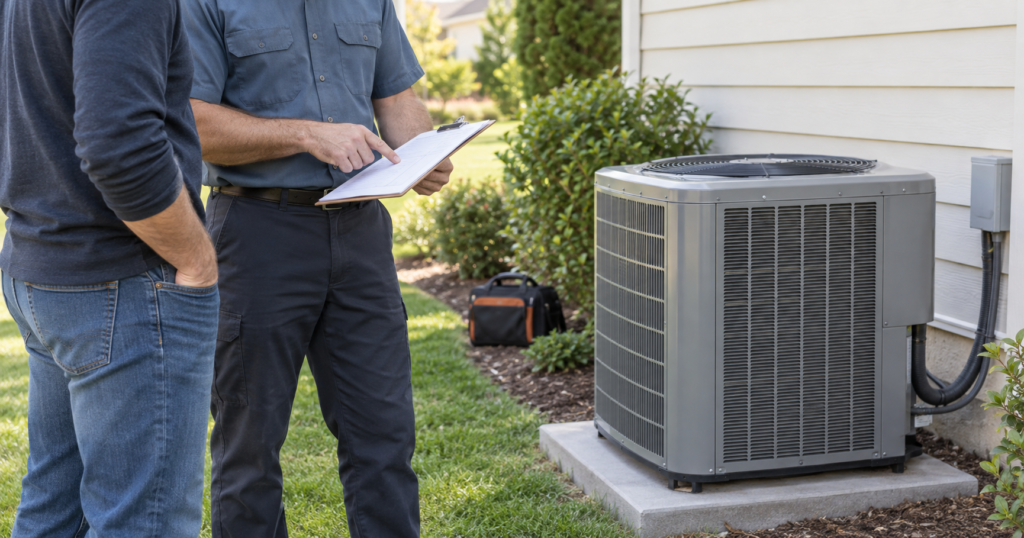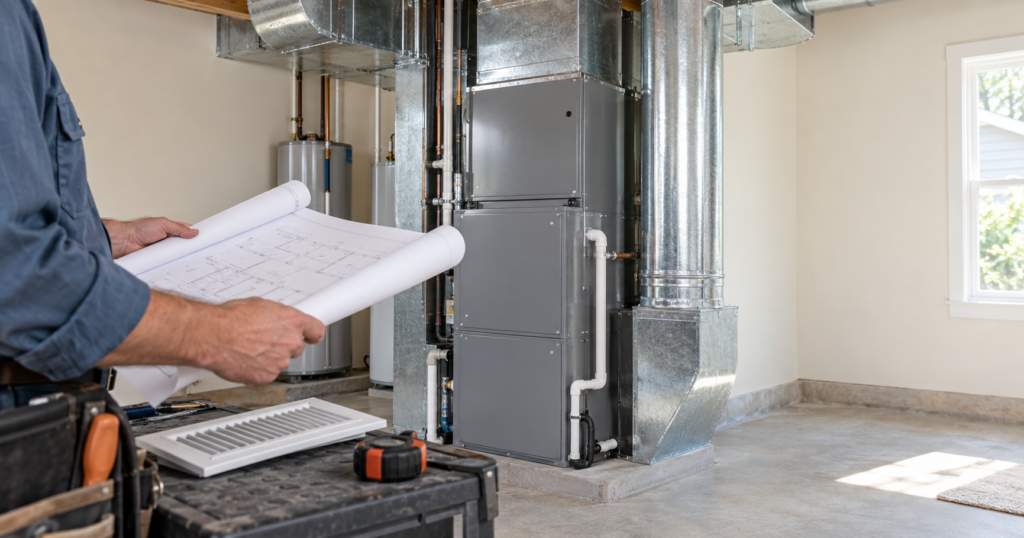
HVAC lifespan varies by equipment type, installation quality, operating conditions and maintenance. Your furnace and air conditioner may also have different installation dates. Therefore, assess each major component separately rather than assigning one expiration date to the entire system.
Carrier’s homeowner guides describe typical lifespans of 15–20 years for central air conditioners, 15–20 years for furnaces and 10–15 years for air-source heat pumps.
These are planning ranges, not guaranteed replacement deadlines. Some equipment lasts longer, while individual systems may need major work sooner.
Typical HVAC Lifespan by Equipment Type
The following ranges come from Carrier’s equipment-specific educational guides. They are manufacturer guidance, not an independent HomeFixLedger study of equipment failures.
| Equipment | Published typical lifespan | Planning note |
|---|---|---|
| Central air conditioner | 15–20 years | Review cooling performance and repair history. |
| Residential furnace | 15–20 years | Request an assessment of its current condition. |
| Air-source heat pump | 10–15 years | Consider both heating and cooling performance. |
Sources: Carrier’s guides to air conditioner lifespan, furnace lifespan and heat pump lifespan. Reviewed September 2026.
What Affects HVAC Lifespan?
Carrier identifies installation, maintenance, climate and use as important influences on equipment longevity. Consequently, two systems installed in the same year may develop different repair needs.
Operating hours and local conditions
A central AC used through a long cooling season accumulates a different workload from one used during short summers. Carrier also identifies coastal salt exposure as a potential source of outdoor-unit corrosion.
For heat pumps, consider how the equipment is used across both seasons. Ask the technician to explain any condition specific to your installation.
Installation and maintenance
Carrier’s furnace guidance emphasizes equipment sizing, installation quality and routine upkeep. Ask whether an assessment identifies an installation or airflow concern that should be addressed alongside a repair.
Also, keep maintenance records. They help a technician understand what has already been checked, cleaned or replaced.
How to Establish Your Equipment’s Age
Start with the installation invoice, warranty registration or previous owner’s records. Next, record the model and serial number from a safely accessible equipment label.
If the installation date is unclear, ask the manufacturer or servicing contractor to help interpret the records. Keep a manufacturing date separate from a confirmed installation date.
Track components individually
- Record the outdoor AC or heat pump installation date.
- List the furnace or indoor air handler separately.
- Note major component replacements and their dates.
- Keep invoices showing what was retained during earlier work.
For example, a new blower motor does not document a new furnace installation. Make that distinction clear in your home-maintenance records.
When Should You Request an Assessment?
Consider an assessment when you notice recurring operating problems or need to decide about a substantial repair. Prepare a short history rather than relying only on the equipment’s age.
- Describe changes in comfort or airflow.
- List recent breakdowns and completed repairs.
- Record unusual operating patterns you have observed.
- Provide bills if you want to discuss changing energy use.
- Explain which concerns you want the visit to resolve.
Ask the technician to distinguish documented faults from optional improvements. Our HVAC inspection cost guide explains what to request in the report.
Ask about limitations
Confirm what could not be examined or tested. Then ask whether another assessment is needed before making a repair or replacement decision.
A condition report can support planning. However, it cannot guarantee the date of a future failure.
Can Maintenance Extend HVAC Lifespan?
Carrier’s guides identify regular maintenance as a factor supporting longer service life. However, maintenance does not guarantee a particular number of additional years.
Follow the manufacturer’s instructions for your equipment. Also, ask your contractor to identify the routine tasks intended for homeowners and those requiring professional service.
Keep the follow-up process clear
After each visit, request the completed checklist and any unresolved findings. If additional work is recommended, ask for a separate scope and price.
This creates a useful record of the system’s condition over time, rather than a folder containing only payment receipts.
Should You Repair or Replace an Older System?
Compare a written repair proposal with a written replacement proposal when both are reasonable options. Ask what each choice addresses and which existing components remain.
Next, consider the current diagnosis, warranty terms, previous repairs and your comfort goals. A simple age threshold cannot capture all of those factors.
Questions for the repair proposal
- What failed, and how was it confirmed?
- Will this repair address the diagnosed fault completely?
- What other documented concerns remain?
- Which parts and labor warranties apply?
For service charges and authorizations, see our HVAC repair cost guide.
Questions for the replacement proposal
Request a complete equipment list and installation scope. Also, ask which additional problems the larger project is intended to address.
If a proposal promises lower operating costs, request the usage assumptions and energy prices behind the estimate. Keep those projected savings separate from the upfront quote.
Use HVAC Lifespan Ranges to Plan a Budget
Planning before a breakdown gives you time to compare scopes and organize funds. Start with a current assessment and local estimates rather than treating an online average as your final price.
Use the guide that matches your equipment:
- AC replacement cost for a cooling-system project.
- Furnace replacement cost for heating equipment.
- Heat pump replacement cost for a heating and cooling system.
Frequently Asked Questions
Can an HVAC system last more than 20 years?
Yes. Carrier notes that some equipment exceeds typical lifespan ranges. However, continued operation alone does not establish condition, efficiency or whether a major repair is worthwhile.
Should I replace a working system because it is old?
Use age as a reason to plan and assess condition. Request documented findings and compare actual options before making a replacement decision.
Does replacing a major component reset the system’s age?
No. Record the new component separately and retain the original equipment installation date. Ask which other components remain in service.
Is the warranty period the same as expected lifespan?
No. Warranty coverage is defined by its written terms, while lifespan describes service duration. Review coverage separately from any estimate of remaining useful life.
Reviewed September 2026. Lifespan ranges and longevity factors come from Carrier’s equipment-specific homeowner guides. They are broad manufacturer estimates, not an independent failure-rate study or predictions for an individual home. The decision checklists are editorial tools, and the savings example is hypothetical.